 All Pro Dumpster Rental
How To Load A Dumpster in Portland
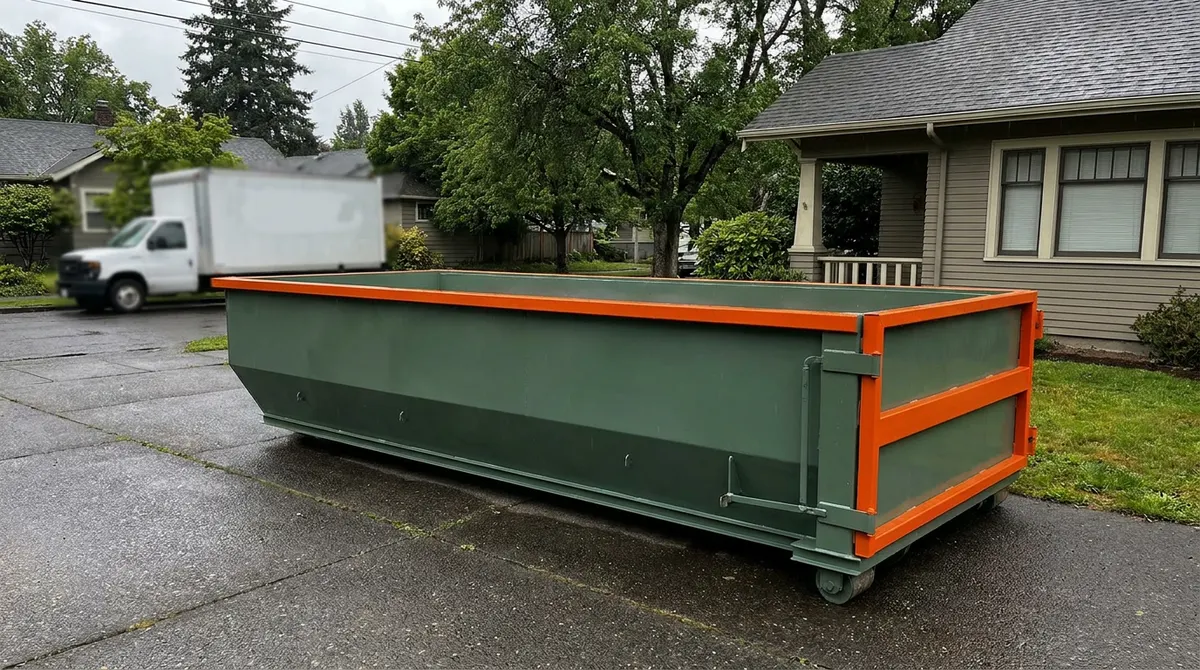
Efficient dumpster loading in Portland, OR, is a critical step for managing project waste effectively, ensuring safety, and avoiding unexpected overage fees, especially given the city's varied debris types and weight considerations. Proper loading techniques maximize capacity and distribute weight evenly, which is particularly relevant for projects in neighborhoods like Montavilla or St. Johns where diverse renovation materials are common. Understanding how to organize debris inside a roll-off container helps homeowners and contractors across Portland, from the West Hills to Sellwood-Moreland, complete their cleanouts and remodels more smoothly.
Loading Heavy Items First
When loading a dumpster in Portland, placing heavy, dense items at the bottom and against the walls of the container is a foundational strategy for stability and weight distribution. This approach creates a stable base that prevents shifting during transport, a significant safety consideration on Portland's varied terrain, including the steep streets of Southwest Portland. Materials such as concrete, bricks, soil, or large pieces of lumber, common in remodeling projects in older neighborhoods like Laurelhurst or Irvington, should be positioned first. Distributing the weight evenly across the dumpster's footprint helps prevent uneven stress on the container and the hauling truck. For example, a 10-yard dumpster used for a bathroom remodel in the Alberta Arts District might have tile and demolished drywall placed first. This initial layer of heavy debris sets the stage for a balanced load, crucial for adherence to Department of Transportation weight limits when the dumpster travels on major routes like Interstate 5 or US 26.
Breaking Down Bulky Debris
- Dismantle furniture: Disassemble items like couches, tables, and cabinets into smaller, flatter pieces. This can involve removing legs, breaking down frames, or separating components, allowing them to lay flatter within the dumpster.
- Flatten cardboard and boxes: Break down all cardboard boxes and other packaging materials. Flattened cardboard occupies significantly less space than intact boxes, increasing the overall volume available for other debris.
- Cut down large wood pieces: If permitted for the specific dumpster, cut long pieces of wood, such as fence panels or framing lumber, into shorter, more manageable sections. This prevents them from sticking out above the fill line and allows for tighter packing.
- Compress items: Use available space to compress softer materials like carpeting or fabrics, pushing them down to create more room. This technique is particularly useful for projects involving interior demolition in areas with older housing stock, like Woodstock or Kenton.
Breaking down bulky debris is an essential technique for maximizing the capacity of a rented dumpster in Portland, directly impacting cost efficiency by potentially reducing the need for an additional container. Bulky items, such as old furniture from a home cleanout in Multnomah Village or construction scraps from a renovation near Sandy Boulevard, often contain significant air pockets that waste valuable space. By dismantling these items into flatter, smaller components, the empty space within the load is minimized. For instance, an old dresser can be reduced to individual boards and drawers, allowing them to stack more compactly. This process not only optimizes the dumpster's volume but also contributes to a more stable and balanced load, which is especially important for safety during transport through congested areas or along the Willamette River waterfront. Proper breakdown ensures that the project, whether a garage cleanout in Hawthorne or a landscaping overhaul near Forest Park, can proceed without unexpected delays or additional hauling charges.
Staying Under the Fill Line
Adhering strictly to the designated fill line on a rented dumpster is a non-negotiable safety and compliance requirement in Portland. The fill line, typically marked on the interior walls of the container, indicates the maximum safe loading height. Overfilling a dumpster creates several hazards, including the potential for debris to spill out during transport, posing a risk to other vehicles on routes like Interstate 84 or Interstate 205. Additionally, an overfilled dumpster can exceed legal weight limits, leading to fines and refusal of service by the hauling company. In Portland's wet season, roughly October through April, an open top dumpster can collect rainwater, adding significant weight to the load, especially with porous materials. To mitigate this, some customers in areas like Sellwood-Moreland or St. Johns opt to cover their dumpsters with tarps to control water accumulation, helping to stay under weight limits. Ensuring all materials remain below the top edge also allows for the safe application of a tarp or safety netting by the hauling company before transport. This practice is crucial for maintaining safety on public roads and avoiding additional charges for unsafe or overweight loads, which can exceed the initial minimum charge of $595.
Mistakes That Cost You Money
- Overfilling the dumpster: Exceeding the top edge or weight limit, which can result in additional fees or the need for a second dumpster. This is particularly relevant in Portland's older housing stock areas like Laurelhurst or Irvington, where lath-and-plaster debris can quickly add significant weight.
- Improper weight distribution: Concentrating too much weight in one area, leading to an unbalanced load that is unsafe for transport and can incur re-balancing fees.
- Loading prohibited items: Placing materials like hazardous waste, tires, or appliances without prior arrangement, which leads to fines and sorting charges. Consult the waste management guidelines provided by the hauling service and resources like Earth911 for proper disposal of specific items.
- Not breaking down bulky items: Failing to dismantle furniture or large objects, which wastes significant space and can necessitate a larger or second dumpster.
- Ignoring the wet season impact: Leaving dumpsters uncovered during Portland's extended wet season can allow rain to saturate porous materials, adding substantial weight and potentially leading to overage charges.
- Failing to secure permits for street placement: Placing a dumpster on a public street without the required City of Portland street use permit can result in fines and removal orders, especially on narrow streets common in neighborhoods like Kenton or Montavilla.
- Assuming all-inclusive pricing: Not clarifying what the quoted price includes (e.g., tonnage limits, rental duration, specific waste types) can lead to surprise overage fees. Transparent pricing ensures customers understand the full cost, which starts at a minimum charge of $595.
Avoiding common loading mistakes is paramount for managing dumpster rental costs and ensuring a smooth project in Portland. Many additional charges stem from preventable errors during the loading process. For example, ignoring the weight limits for construction and demolition debris, especially from materials like older roofing or plaster, can quickly lead to fees beyond the initial quote. In areas with tight lots and narrow streets, like parts of St. Johns or the Pearl District, careful planning for dumpster placement and access can prevent complications during delivery and pickup. Understanding what materials are prohibited (e.g., household hazardous waste, as defined by the Oregon Department of Environmental Quality) is also crucial, as these require specialized disposal and cannot be placed in a standard roll-off dumpster. Clear communication with the dumpster rental provider about the types and estimated weight of debris helps prevent these costly errors. For reliable dumpster rental services in Portland, including guidance on proper loading techniques, contact Portland Dumpster Rental.
Need it handled now? See Dumpster Rental in Portland.