 All Pro Dumpster Rental
Prepare For Dumpster Delivery Portland
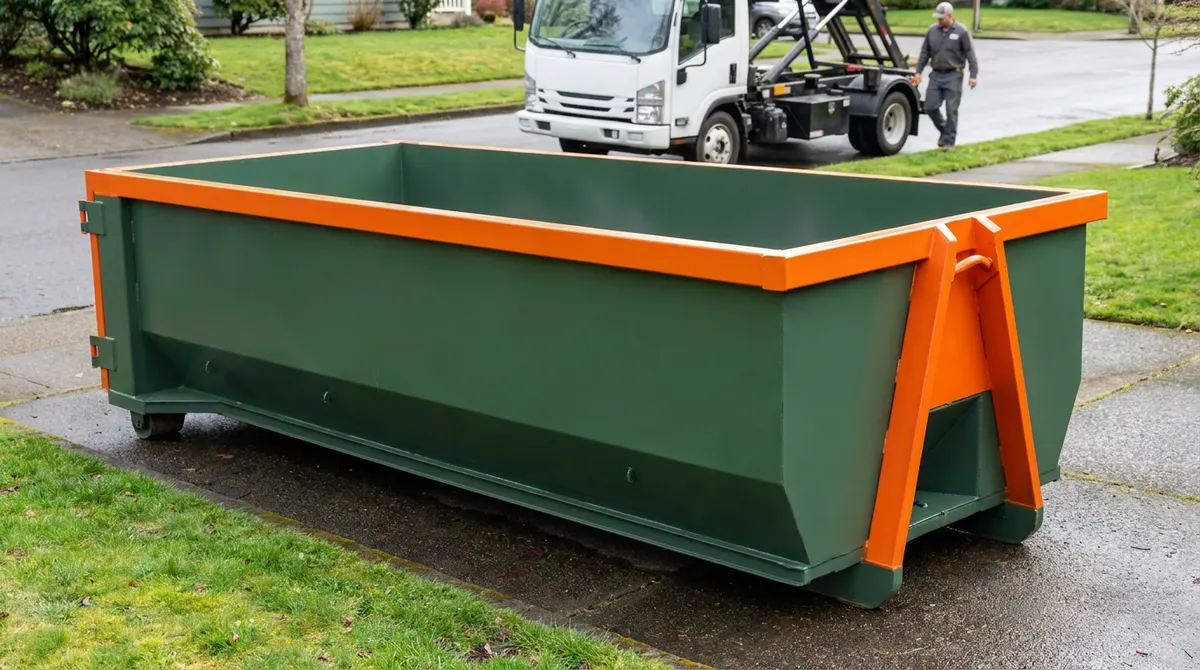
Preparing for dumpster delivery in Portland, Oregon, involves selecting a suitable drop spot, ensuring clear access, and protecting property surfaces to facilitate a smooth and safe placement by the hauling service. This preparation is crucial for homeowners and contractors undertaking projects ranging from household cleanouts in Sellwood-Moreland to roofing remodels in Montavilla, ensuring the process meets local conditions and logistical requirements.
Choosing the Drop Spot
Choosing the correct drop spot for a dumpster in Portland is the first critical step in preparing for delivery. The ideal location offers level ground, easy access for the delivery truck, and sufficient clearance from overhead obstructions like power lines or tree branches. Many inner Portland neighborhoods, such as those in the Alberta Arts District or Hawthorne, feature narrow streets and older, tighter lots that significantly limit dumpster placement options. A standard roll-off dumpster requires approximately 10 feet of width and 25-30 feet of length for placement and retrieval, plus additional space for the truck to maneuver. Driveways are often the preferred location, provided they are accessible and can support the weight of the dumpster and its contents. For projects in areas like Laurelhurst or Irvington, where older housing stock is common, driveway conditions should be assessed for structural integrity. Street placement is an alternative, but it typically requires a permit from the City of Portland Bureau of Transportation, especially along major corridors like Powell Boulevard or Sandy Boulevard. Confirming permit requirements with the city before scheduling delivery helps avoid delays or fines. The drop spot should be easily identifiable for the delivery driver, particularly in areas with complex layouts near landmarks like Forest Park or Mount Tabor Park.
Clearing Obstacles and Vehicles
Clearing obstacles and vehicles ensures the dumpster delivery truck has an unobstructed path to the chosen drop spot. This step is essential for safe and efficient placement, especially in densely populated areas of Portland like St. Johns or Woodstock. The delivery truck, often a large roll-off vehicle, requires substantial space to navigate and deploy the dumpster. All parked cars, recreational vehicles, and trailers should be moved from the driveway or street area where the dumpster will be placed. Any loose items, such as trash cans, recycling bins, garden tools, or children's toys, need to be removed from the immediate delivery zone. Low-hanging branches, particularly from Portland's extensive tree canopy, may need trimming to prevent damage to the truck or dumpster during placement. Overhead utility lines, common in older neighborhoods, also require at least 15-20 feet of vertical clearance. Access gates should be fully opened and secured, or removed if they obstruct the path. Ensuring a clear approach and departure path for the truck is vital for services operating across Portland's diverse terrain, from the West Hills to the Willamette River waterfront.
- Move all vehicles from the driveway and street access path.
- Remove loose items like bins, tools, and toys from the placement area.
- Trim any low-hanging tree branches to ensure overhead clearance.
- Confirm at least 15-20 feet of vertical clearance from utility lines.
- Open and secure any gates or access points that could impede the truck.
- Clear any debris or uneven surfaces from the proposed drop spot.
Protecting Your Driveway
Protecting your driveway is a proactive measure to prevent potential damage from the weight and movement of a dumpster. Roll-off dumpsters, particularly when loaded with heavy materials like demolition debris from older Portland homes or concrete, can exert significant pressure on surfaces. The weight of a 20-yard dumpster filled with construction debris, for example, can easily exceed several tons. To mitigate this risk, placing plywood sheets or sturdy wooden boards on the driveway before delivery is a recommended practice. These boards, typically 4x8 feet sheets of ¾-inch plywood, distribute the dumpster's weight more evenly across the surface, reducing concentrated stress points. This protection is especially relevant for asphalt or concrete driveways, which can crack or indent under extreme loads. For projects involving older housing stock in areas like Irvington or Multnomah Village, where lath-and-plaster, older roofing materials, or heavy timber can accumulate, the total weight can quickly approach or exceed tonnage limits. Position the boards where the dumpster's rollers and feet will rest. This simple step can help preserve the integrity of your property's surfaces during the rental period, preventing costly repairs after the dumpster is removed by the hauling service.
Delivery-Day Checklist
A comprehensive delivery-day checklist ensures all preparations are complete for a smooth dumpster drop-off in Portland. Before the scheduled delivery time, verify that the chosen placement area is completely clear and accessible. Confirm that any required city permits for street placement are secured and readily available for inspection, particularly if the dumpster will be on a public right-of-way near Interstate 5 or US 26. The ground should be as level as possible to ensure the dumpster rests securely. If using protective boards, ensure they are correctly positioned in the designated drop spot. Informing others on the property, such as family members or construction crews, about the impending delivery helps prevent accidental obstructions. During Portland's extended wet season, from roughly October through April, placing a tarp over the dumpster area before delivery can help keep the ground dry and prevent the dumpster from sinking into soft soil, especially in areas with clay-rich soil. This preparation helps control potential water weight accumulation in the dumpster, which can affect overage charges. Having a contact person available by phone for the delivery driver can also resolve any last-minute access issues, particularly in complex urban environments or hilly terrain in Southwest Portland. The minimum charge for a dumpster rental in Portland is $595, so efficient delivery and placement contribute to overall project cost-effectiveness.
- Confirm the drop spot is clear, level, and marked.
- Verify all necessary street permits are obtained and accessible.
- Lay down plywood or protective boards if placing on a driveway.
- Ensure a contact person is available by phone for the driver.
- Consider tarping the ground in wet weather to prevent softening.
- Communicate delivery plans to all relevant parties on site.
Need it handled now? See Dumpster Rental in Portland.